
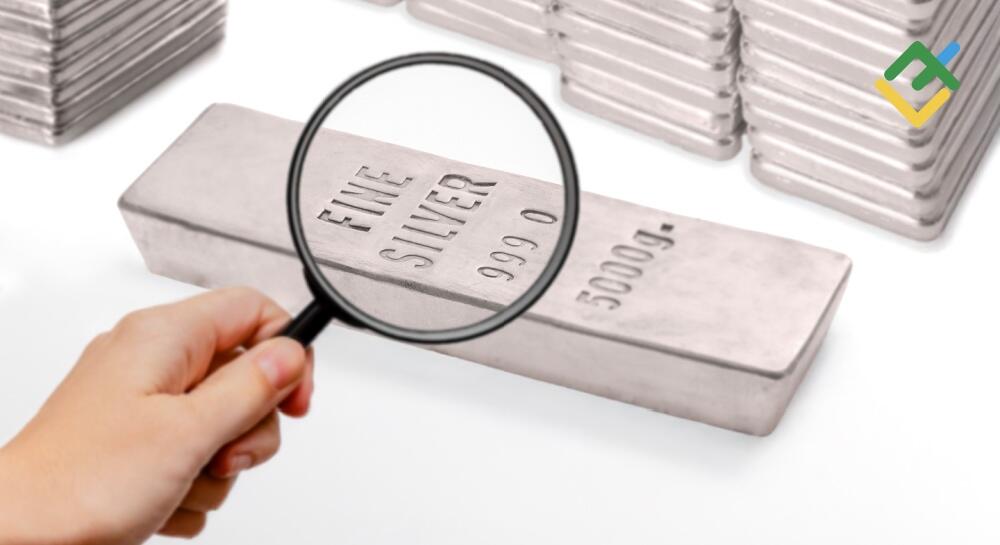

The silver bubble has finally burst. This was bound to happen sooner or later, as commodity markets are cyclical. Should we expect XAG/USD to return to its extremes, or will that take decades? Let’s discuss that and outline a trading plan.
The article covers the following subjects:
Major Takeaways
- The silver market bubble has burst.
- Hedge funds anticipated this outcome.
- The uptrend in XAG/USD has been broken.
- As long as silver trades below $85, selling remains the preferred strategy.
Weekly Fundamental Forecast for Silver
From hero to zero, it takes just one step. Once hailed as “gold on steroids,” or “gold squared,” silver has now turned into the “widow-maker.” It can quickly punish traders who overvalue its upside. That is exactly what happened at the end of January, when XAG/USD plunged by 36%, marking an all-time negative record. At that moment, it became clear the bubble had burst.
The situation inevitably brings to mind the story of the Hunt brothers, who cornered the silver market in 1980 and drove prices up to $50 per ounce. After that, the market collapsed and failed to return to those levels for more than 4.5 decades. The recent XAG/USD rally truly resembled a bubble. In January alone, prices surged by 63% to record highs, bringing the total gain over the past year to an astonishing 250%.
Speculative Positioning in Silver
Source: Bloomberg.
2026 had its own version of the Hunt brothers. As the crowd, driven by FOMO, rushed to buy, hedge funds and asset managers were cutting their net long positions in the precious metal. When everybody buys, think of selling. Smart money knew how this would end. As a result, those who followed the crowd were left holding losing positions.
Silver has always been more volatile than gold. At the same time, the return of the gold-to-silver ratio to levels last seen in the 1970s suggests that XAG/USD has reached a point of no return. The uptrend has likely been broken, although the formation of another bubble after the first one burst cannot be ruled out. Volatility in the white metal will be a key indicator of whether a new bubble is forming.
Silver Volatility Dynamics
Source: Bloomberg.
Bank of America believes that volatility in XAG/USD should reduce following the January sell-off. If it does not, speculators will likely attempt to inflate another bubble.
But what about geopolitics, uncertainty surrounding White House policy, threats to the Federal Reserve’s independence, and debasement trades, all of which have supported silver for a long time? I would argue that most of this optimism is already priced in. Without strong retail buying interest in XAG/USD, prices would likely be lower. The market is now searching for an equilibrium point, which explains the ongoing roller-coaster moves.
Commodity markets are cyclical. Rising demand pushes prices higher, but excessively high prices eventually reduce demand. As a result, the uptrend breaks down. The white metal is no exception. Still, one must always account for the influence of speculators.
Weekly Trading Plan for XAG/USD
In my view, the bullish trend has been broken, which indicates a shift toward selling into rallies. Silver’s inability to break above $85 per ounce signals weak buying interest. As long as XAG/USD trades below this level, the focus remains on short positions. As an alternative, it also makes sense to apply the previously discussed strategy of selling silver against gold.
This forecast is based on the analysis of fundamental factors, including official statements from financial institutions and regulators, various geopolitical and economic developments, and statistical data. Historical market data are also considered.
Price chart of XAGUSD in real time mode
The content of this article reflects the author’s opinion and does not necessarily reflect the official position of LiteFinance broker. The material published on this page is provided for informational purposes only and should not be considered as the provision of investment advice for the purposes of Directive 2014/65/EU.
According to copyright law, this article is considered intellectual property, which includes a prohibition on copying and distributing it without consent.
Feed from Litefinance.com